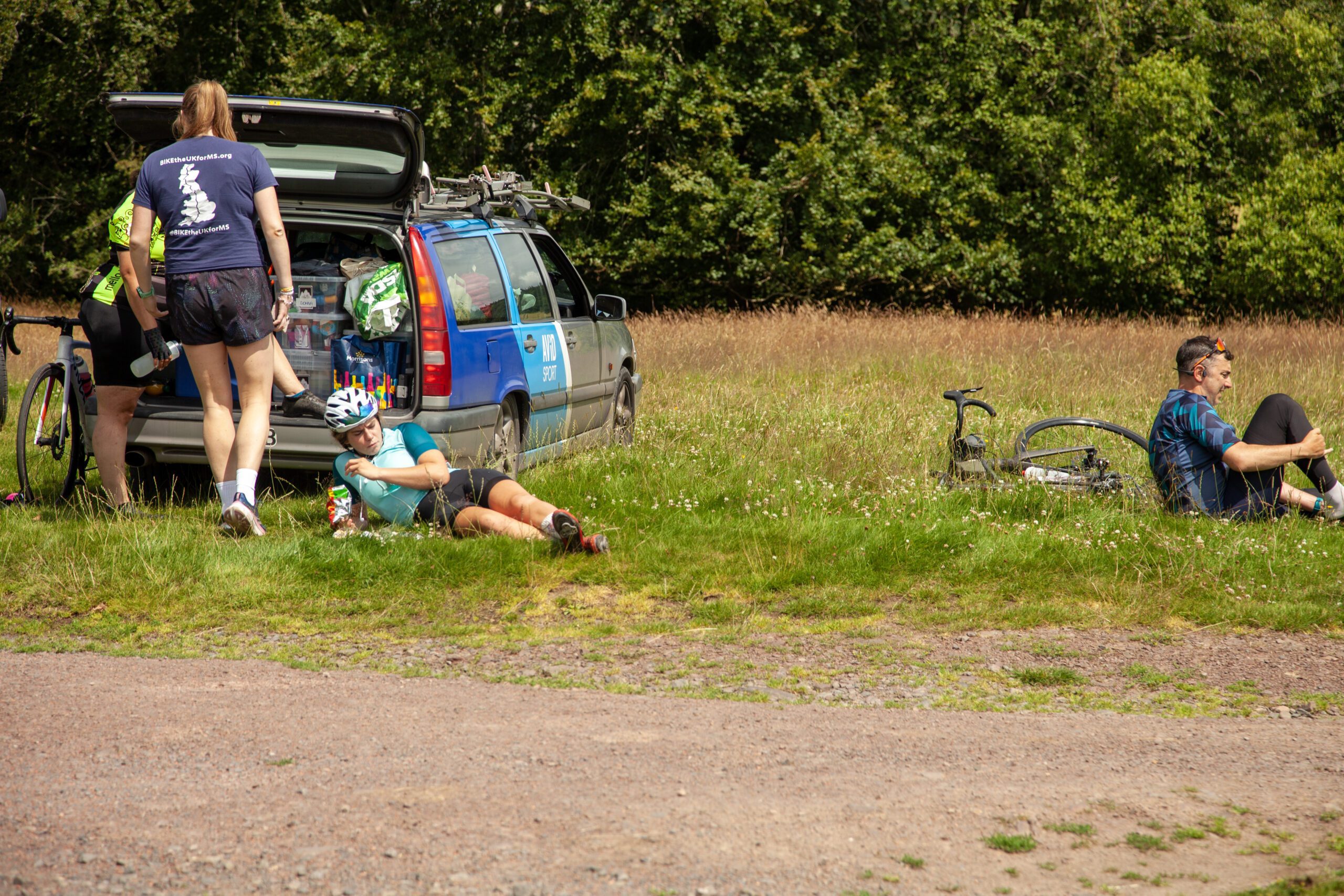
Taking on a Bike the UK for MS ride is a brilliant challenge, but riding long distances over consecutive days is very different from a weekend spin, a training ride, or time on the turbo.
By this stage, you have signed up, started preparing, and are hopefully looking forward to joining your team on the road. In the final few weeks before your ride, it is worth thinking about the small habits that can make a big difference once the trip begins.
This is not about overcomplicating things. It is about eating enough, drinking enough, looking after your body, communicating with your Route Leaders, and giving yourself the best chance of enjoying the experience.
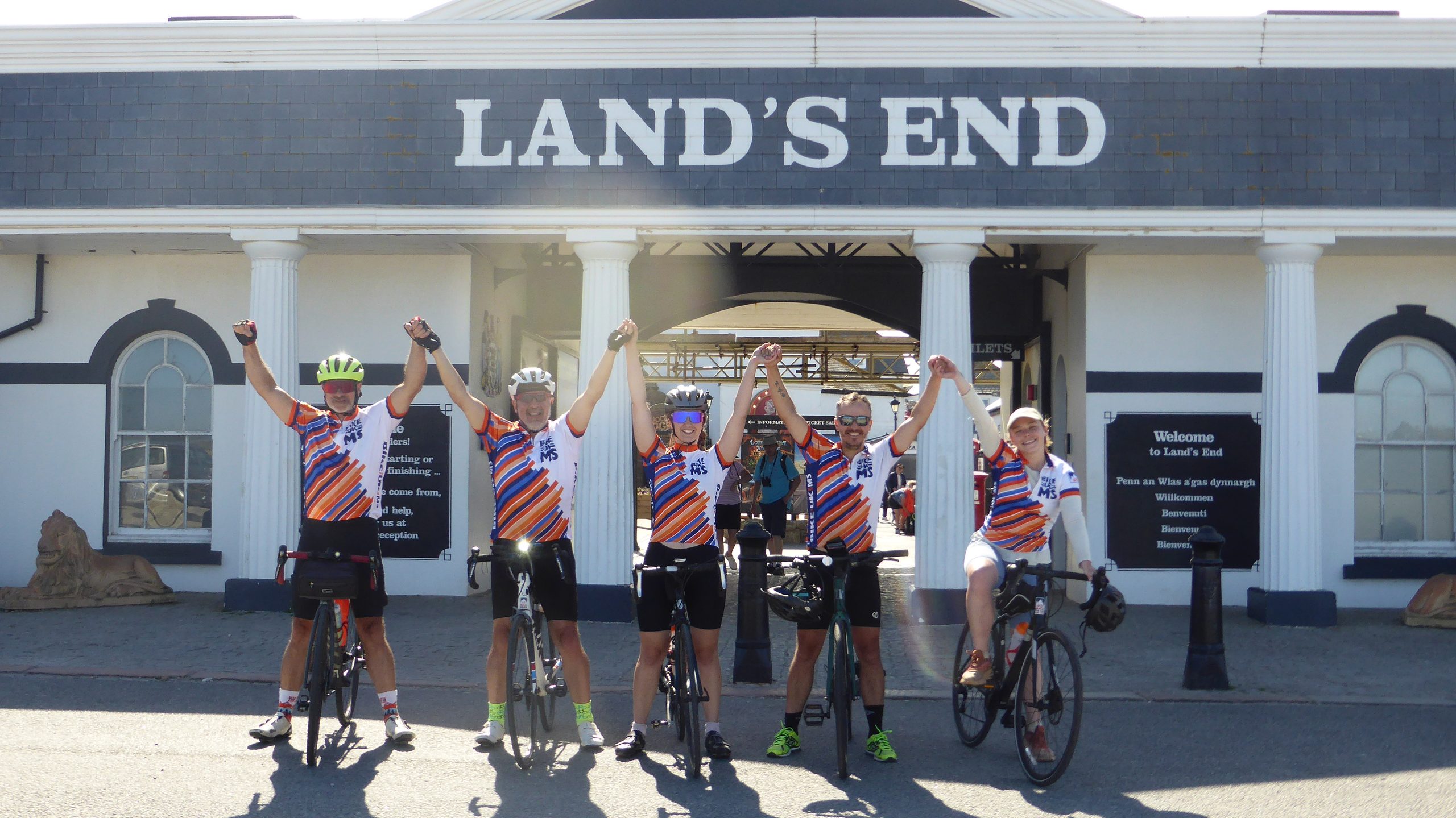
Whether you are riding from John O’Groats to Land’s End, around the North Coast 500 or taking on one of our shorter routes like Lôn Las Cymru or Royal Chilterns Way, the same basic principles apply.
Eat Before You’re Hungry
One of the simplest pieces of advice for a multi-day cycling trip is this. Eat before you are hungry.
When you are riding day after day, your body will need more fuel than usual. Even if you are used to cycling regularly, the repeated effort of a supported cycling trip can quickly catch up with you if you do not eat enough.
Make the most of rest stops, meals, and the snacks you carry with you on the bike. Aim for a mix of carbohydrate-rich foods for energy and protein to help your body recover. This might include sandwiches, flapjacks, bananas, cereal bars, pasta, rice, potatoes, yoghurt, nuts, or whatever you already know works well for you.
It is also worth carrying a few familiar snacks in your jersey pockets, frame bag, or bar bag. Rest stops are there to support you, but there may still be times when you need a boost between them.
The main thing is not to be shy about eating. This is not the time to underfuel. Keep topping up throughout the day, especially before you feel low on energy.
Drink Before You’re Thirsty
The same idea applies to hydration. Drink before you are thirsty.
We ask riders to have at least two bottle cages on their bike, and it is a good habit to drink regularly between rest stops. On warmer days, hilly days, windy days, or longer days in the saddle, you may need more fluid than you expect.
Electrolytes can also be useful, especially if you sweat heavily or struggle to keep drinking plain water all day. Some riders use electrolyte tablets, powders, or sports drinks. The best option is usually the one you have already tested and know works for you.
Try not to wait until you feel really thirsty, lightheaded, or unusually tired before drinking. If you start to feel off, let your Route Leaders know early rather than trying to push through it.
Be Ready for UK Weather
On a UK cycling trip, it is worth being ready for a bit of everything.
You may get sunshine, rain, wind, chilly mornings, warm afternoons, and damp evenings. Sometimes you may get several of those in the same day.
Sun protection is still important, even if the forecast does not look especially hot. Apply sunscreen before riding and reapply during the day, especially on your face, neck, arms, legs, and any areas exposed by cycling kit.
At the same time, make sure you have layers that can keep you warm and dry. A lightweight waterproof jacket, gloves, arm warmers, and dry clothes for the evening can make a huge difference to comfort and recovery.
Good kit does not need to be fancy, but it does need to work for you. Try to avoid using brand new clothing for the first time on the ride itself.
Look After Contact Points
On a multi-day ride, the main contact points on the bike matter. Saddle, hands, and feet.
A little discomfort can be normal, especially on longer days, but small issues can build up over several days if ignored.
For saddle comfort, make sure you are using cycling shorts or bib shorts that you have already ridden in. This is not the time to test brand new kit for the first time. Some riders find chamois cream helpful, but again, test it before the trip if you can.
It also helps to move around on the bike during the day. Stand up occasionally, shift your position, and give yourself short breaks from sitting in exactly the same place for hours.
For hands, padded gloves can help, as can changing hand position regularly. If you ride a drop-bar bike, move between the tops, hoods, and drops when safe to do so. Try not to grip the bars too tightly, and give your hands a shake out from time to time.
For feet, make sure your shoes and socks are comfortable and have been tested on longer rides. Hot spots, rubbing, or numbness are easier to deal with early than once they have become a bigger problem.
Tell Us About Allergies, Medication, or Health Concerns
If you have any allergies, medication, or health information your Route Leaders should be aware of, please make sure they know before the ride.
This might include allergies to foods, insect stings, medication, or anything else that could become important during the trip. If you carry prescribed medication, such as an inhaler, EpiPen, or other medication, please make sure it is with you and easy to access.
You do not need to share anything with the whole team, but your Route Leaders need to know anything that could affect your safety or support on the ride.
Speak Up Early if You Feel Unwell
Because our trips involve shared accommodation, shared transport, and a lot of time together as a team, it is important to speak up if you start feeling unwell.
That might mean a cough, fever, stomach bug, dizziness, unusual fatigue, or anything else that feels out of the ordinary. Letting a Route Leader know early gives us the best chance to support you, help you recover, and reduce the chance of illness spreading through the team.
There is no prize for suffering in silence. If something does not feel right, please say so.
Prioritise Sleep and Recovery
Sleep is one of the biggest recovery tools you have on a ride like this.
After a long day on the bike, your body needs food, fluids, and rest. Shared accommodation means everyone has slightly different routines, so please be considerate of the team in the evenings and mornings.
Try to keep noise down when others are sleeping, organise your kit before bed where possible, and bring whatever helps you sleep well. A comfortable sleeping mat, pillow, earplugs, and an eye mask can all make a real difference.
The better everyone sleeps, the better the team feels on the road.
Keep Communicating with Your Route Leaders
Your Route Leaders are there to help the team have a safe, enjoyable, and successful ride.
If you are struggling with the distance, worried about a mechanical issue, feeling unwell, unsure about the route, or just having a tough day, let them know. Small problems are much easier to solve early.
The same applies if you notice another rider who seems to be struggling. We ride as a team, and looking out for each other is a big part of the experience.
Final Thought
A Bike the UK for MS ride is a challenge, but looking after yourself does not need to be complicated.
Eat regularly. Drink regularly. Dress for the conditions. Look after your contact points. Sleep when you can. Speak up early if something feels wrong.
Do those simple things well, and you will give yourself the best chance of enjoying the ride, supporting your teammates, and making the most of the experience.